
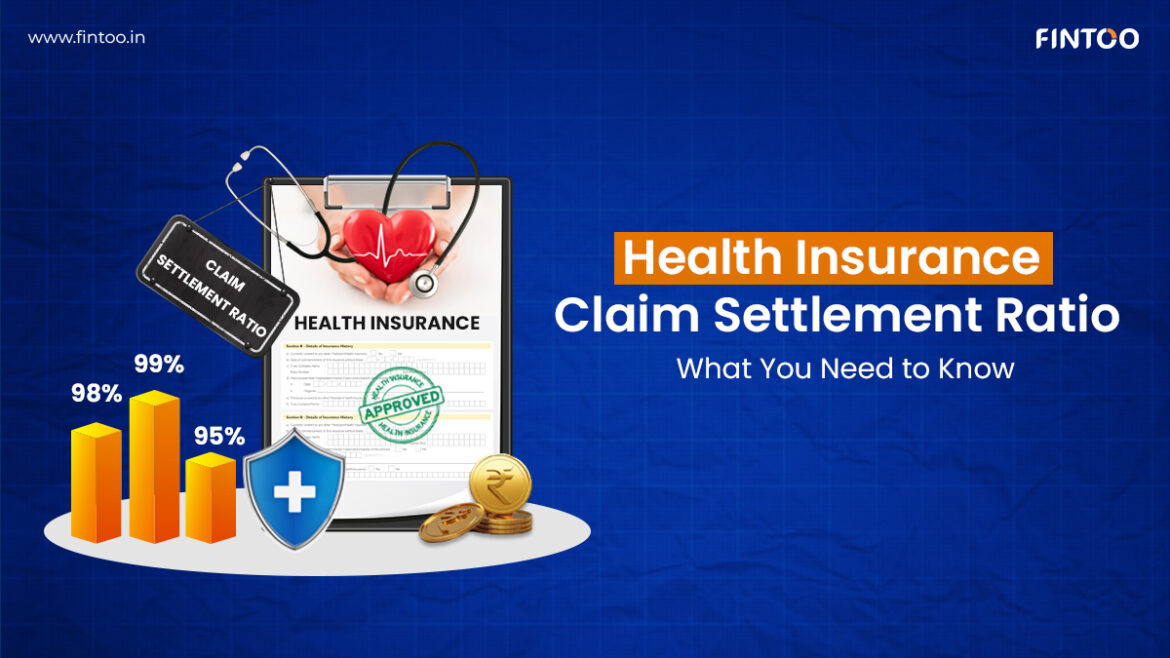
We all know the drill: picking a health insurance plan can feel like a mountain of paperwork and fine print. You weigh the cost, check the hospital network, and maybe glance at a few reviews. But here’s the secret truth: when a medical emergency hits, none of that matters as much as one single number. It’s the Claim Settlement Ratio (CSR), and it’s the most honest indicator of whether your insurer will be a reliable friend or a financial headache when you need them most. Don’t let your financial safety net be based on a guess. Let’s dive in and decode this critical metric.
Definition: What Is Claim Settlement Ratio (CSR)?
Simply put, the Claim Settlement Ratio (CSR) is the percentage of total claims received by an insurance company that it successfully settles in a financial year. Think of it as the insurer’s report card on trustworthiness.
CSR = (Total Number of Claims Settled ÷ Total Number of Claims Received) × 100
For example, if an insurer receives 10,000 health claims in a year and settles 9,800 of them, their CSR is 98%. The remaining 200 claims were either rejected, withdrawn, or are pending.
Importance: Why CSR Matters to You
A high CSR is arguably the single biggest indicator of an insurer’s reliability and financial protection. Here’s why you should care:
- Trustworthiness: A high ratio signifies that the company has a strong, consistent track record of honoring its promise to policyholders.
- Peace of Mind: In the middle of a medical emergency, the last thing you want is the stress of a potential claim rejection. A high CSR offers the confidence that your claim will be settled swiftly and fairly.
- Insurer’s Credibility: It reflects efficient claim processing mechanisms, clear policy-underwriting standards, and ethical business practices.
Health Insurance CSR: Meaning & Data Source (IRDAI)
In India, the data you rely on for the claim settlement performance of health insurance companies isn’t from a third-party website; it’s from the highest authority.
The official CSR figures are mandatory disclosures published annually by the Insurance Regulatory and Development Authority of India (IRDAI). This ensures standardisation and transparency across the industry.
When you’re comparing policies, always look for the most recent official IRDAI data to ensure you’re working with credible, government-verified numbers.
Ideal Ratio Benchmarks
So, what is the best claim settlement ratio you should look for?
While there is no legally mandated minimum, an ideal range has emerged based on market performance and customer satisfaction:
| CSR Range | Interpretation |
| 95% and Above | Excellent. Highly trustworthy and preferred. Indicates a strong commitment to policyholders. |
| 90% – 95% | Very Good. A solid, reliable choice, suggesting efficiency in claim management. |
| 80% – 90% | Acceptable. While not poor, it warrants checking other factors like consistency over time. |
| Below 80% | A Red Flag. Suggests either high rejection rates or slow, inefficient claim processing. Proceed with caution. |
Pro Tip: Don’t just look at the highest number. An insurer that maintains a consistent CSR of 97% over five years is often a better choice than one with an erratic 99% one year and 90% the next. Consistency is key.
Incurred Claim Ratio (ICR): Meaning & Formula
Here’s where things get interesting and a second, equally important metric comes into play: the Incurred Claim Ratio (ICR).
While CSR focuses on the number of claims settled, ICR focuses on the value (amount) of claims paid out versus the total premium collected. It’s a measure of the company’s financial health and claims-paying capacity.
The ICR meaning is simply: how much of the premium money collected is the insurer spending on settling claims?
ICR = (Total Value of Claims Settled ÷ Total Value of Premiums Collected) × 100
- An ICR between 70% and 90% is generally considered healthy. It means the company is paying a fair amount in claims while retaining enough for administration and future solvency.
- An ICR consistently above 100% means the insurer is paying more in claims than it’s collecting in premiums, which is financially unsustainable in the long run.
- An ICR below 50% might indicate the insurer is holding onto a lot of money and could be overly conservative in settling high-value claims.
CSR vs ICR: Key Difference
The confusion between claim settlement ratio and incurred claim ratio is common, but their difference is fundamental:
| Feature | Claim Settlement Ratio (CSR) | Incurred Claim Ratio (ICR) |
| Focus | Number of claims settled vs. claims received. | Value (Amount) of claims paid vs. premiums collected. |
| Measures | Insurer’s Reliability and Efficiency in settling claims. | Insurer’s Financial Health and Claims-Paying Capacity. |
| Best Range | 95% and above | 70% to 90% |
The Takeaway: A good insurer should have both a high CSR (meaning they settle most claims) and a healthy, balanced ICR (meaning they are financially stable to keep settling claims).
Top Health Insurance Companies in India by CSR (2024–25)
While the definitive IRDAI Annual Report for the current financial year (2024–25) is typically released later in the year, the figures below are based on the latest publicly released data from the regulator (Financial Year 2023-24) on claims settled within 3 months. This data gives you the best available indication of recent performance.
| Insurer Category | Company Name | CSR (FY 2023-24)* | Key Insight |
| General Insurer | Navi General Insurance | 99.97% | Excellent performance in timely claim settlement. |
| General Insurer | Acko General Insurance | 99.91% | Led in claims settled within 3 months among private general insurers. |
| Stand-Alone Health | ManipalCigna Health Insurance | 99.96% | Near-perfect settlement record for number of claims. |
| Stand-Alone Health | Aditya Birla Health Insurance | 92.97% | Highest CSR among stand-alone health insurers (as per this specific data). |
| General Insurer | HDFC ERGO General Insurance | 99.16% | Consistently high performer in the general category. |
| General Insurer | ICICI Lombard General Insurance | 97.16% | Strong performance across the portfolio. |
| General Insurer | Kotak Mahindra General Insurance | 96.76% | Maintained high settlement efficiency. |
| General Insurer | Go Digit General Insurance | 96.71% | High ratio for a relatively newer player in the market. |
| General Insurer | United India Insurance Co. Ltd. | 96.33% | Top performing Public Sector General Insurer. |
| General Insurer | Bajaj Allianz General Insurance | 95.99% | Strong, reliable settlement ratio. |
*Source for Data (FY 2023-24): Official IRDAI Public Disclosure, specifically the ‘Status of Claims of General and Health Insurers’ data from the latest available Handbook/Annual Report. You can find this data on the official IRDAI website under the Annual Reports or Public Disclosures section at: https://irdai.gov.in/.
How to Choose the Right Insurer
Don’t let the claim settlement ratio be your only factor, but let it be your first filter. Here is a holistic checklist:
- Check Both Ratios: Prioritise insurers with a CSR above 95% and an ICR between 70% and 90%.
- Evaluate Consistency: Review the CSR and ICR over the last 3 to 5 years. Stable, high ratios are the hallmark of a dependable company.
- Network Strength: Does the insurer have a large network of cashless hospitals in your city/region? A high CSR with a small network might still cause you trouble.
- Policy Terms: Look for policy features that matter to you: no room rent capping, low co-pay, and appropriate waiting periods for pre-existing diseases.
- Customer Feedback: Check online reviews about the claim experience—specifically, the turnaround time (TAT) for cashless approvals. A 98% CSR is great, but not if it takes 15 days to process.
Common Misconceptions About CSR
Many people misinterpret the claim settlement ratio. Let’s clear up the fog:
| Misconception | Reality |
| “100% CSR is best.” | A 100% CSR is rare and can sometimes be misleading. It might mean the insurer is rejecting complex, high-value claims upfront or is a very new company with a low volume of claims. Focus on consistency and the 95%+ benchmark. |
| “CSR only reflects claim approval.” | It reflects approval and settlement. An insurer must not only approve the claim but also fully settle the due amount to the hospital (in cashless) or the policyholder (in reimbursement). |
| “CSR is the same as the claim amount paid.” | No. CSR is based on the number of claims. The ICR is based on the amount (value) of claims. You need to look at both for a complete picture. |
FAQs
What is the claim settlement ratio?
The CSR is a percentage that indicates the number of claims a health insurance company successfully settled against the total number of claims it received in a financial year. It is a key metric for assessing an insurer’s reliability.
What is the incurred claim ratio meaning?
The ICR is the ratio of the total amount of claims an insurer paid out to the total amount of premium they collected in a year. It measures the insurer’s financial sustainability in paying claims.
Which insurer has the best CSR in India?
Based on recent IRDAI data (FY 2023-24, settled within 3 months), several insurers like Navi General Insurance, Acko General Insurance, and ManipalCigna Health Insurance consistently report CSRs above 99%. However, it is essential to check the latest full IRDAI annual report and compare this figure with the company’s ICR and network size before making a final decision.
Conclusion
The world of health insurance is built on a promise: that when illness strikes, your financial burden will be eased. The Claim Settlement Ratio is the most tangible proof that an insurer is serious about keeping that promise.
When your next health insurance renewal date approaches, take a few minutes to check your current provider’s latest CSR and ICR figures against the industry benchmarks. Don’t renew blindly! Make sure the company you trust with your health is financially capable and consistently reliable.
Ready to stop guessing? Click here to compare the latest CSRs of India’s top health insurers and find a policy that truly protects you.
Your health cover is too important to leave to chance.
Disclaimer: The views shared in blogs are based on personal opinions and do not endorse the company’s views. Investment is a subject matter of solicitation and one should consult a Financial Adviser before making any investment using the app. Investing using the app is the sole decision of the investor and the company or any of its communications cannot be held responsible for it.